86-13819027011

Oil Spill Response Solutions for LNG Terminal Projects: What Equipment Is Really Required?

Liquefied Natural Gas (LNG) terminal projects are among the most complex and environmentally sensitive infrastructure developments in the energy sector.

While LNG itself is a clean-burning fuel, oil spill risks remain unavoidable throughout both the construction and operation phases of an LNG terminal.


From marine construction activities to routine equipment maintenance, effective oil spill response planning is not optional — it is a regulatory and operational necessity.

This article explains what oil spill response equipment is really required for LNG terminal projects, and how to select the right solutions for each risk scenario.


Understanding Oil Spill Risks in LNG Terminal Projects

Although LNG terminals focus on gas handling, many auxiliary systems rely on diesel, lubricating oils, hydraulic fluids, and marine fuels

especially during construction and port operations.


Typical oil spill risk sources include:

  • Construction vessels (dredgers, barges, tugboats)
  • Temporary fuel storage and refueling points
  • Hydraulic systems on cranes and marine equipment
  • Power generators and pump stations
  • Routine maintenance of loading arms and terminal equipment

These risks occur in marine environments, coastal waters, and onshore industrial areas, making oil spill response planning essential from day one.


Oil Spill Response Equipment Required for LNG Terminal Projects

1. Oil Containment Booms – First Line of Defense

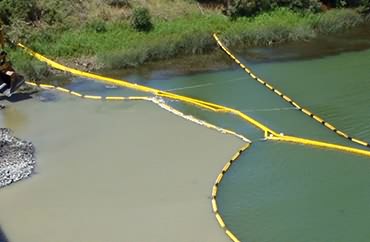
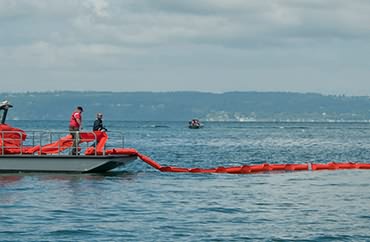
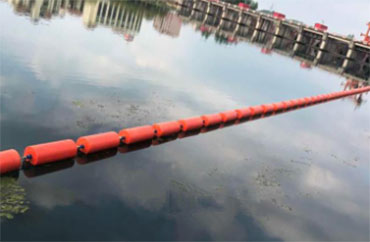
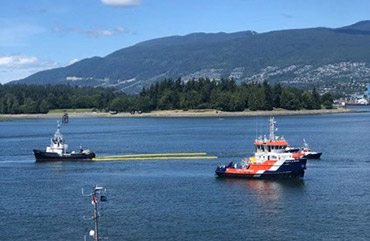
Oil containment booms are critical for preventing spilled oil from spreading in marine and coastal environments.


In LNG terminal projects, booms are typically required for:

  • Protecting jetties and berthing areas
  • Isolating refueling or bunkering zones
  • Emergency containment around construction vessels
  • Temporary deployment during maintenance operations


Depending on site conditions, LNG projects may require:

The boom specification should be selected based on water depth, current speed, wave conditions, and deployment duration.


2. Oil Absorbents – Fast and Flexible Spill Control

Oil absorbents are indispensable for small to medium spills, especially during daily operations and equipment maintenance.


Commonly used absorbent products in LNG terminals include:

Oil-only absorbents are preferred, as they absorb hydrocarbons while repelling water, making them ideal for both indoor and marine-adjacent environments.


3. Spill Response Kits – Readiness at Critical Points

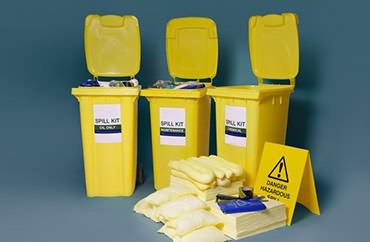
Spill kits provide immediate response capability at high-risk locations throughout an LNG terminal.


Typical deployment points include:

  • Fuel storage areas
  • Maintenance workshops
  • Generator rooms
  • Dockside and jetty access points
  • Emergency response vehicles


A properly configured oil spill kit usually contains:

Well-placed spill kits ensure first responders can act within minutes, significantly reducing environmental impact.


4. Oil Skimmers – Recovery for Larger Spills

For higher-risk LNG terminals or locations with significant marine traffic, oil skimmers are often included in contingency planning.

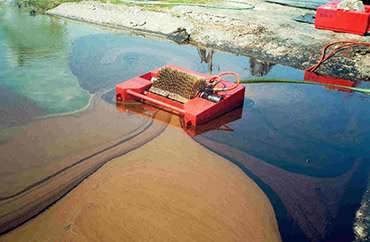
Skimmers are designed to recover spilled oil from the water surface, especially when absorbents alone are insufficient.


Common skimmer types used in terminal applications include:

Skimmers are typically deployed together with containment booms to maximize recovery efficiency.


Oil Spill Response Planning: Construction vs. Operation Phase

One key consideration in LNG terminal projects is that spill risks change over time.

  • Construction phase
    • Higher marine activity
    • Temporary fuel systems
    • Greater need for booms, absorbents, and mobile spill kits
  • Operation phase
    • Lower frequency, but stricter compliance
    • Focus on readiness, training, and equipment maintenance
    • Long-term storage of certified spill response equipment

A flexible oil spill response strategy should address both phases without over- or under-equipping the project.


Final Thoughts: Selecting the Right Oil Spill Response Partner

Oil spill response equipment for LNG terminal projects is not about buying a single product — it is about matching the right solution to real operational risks.


An experienced supplier should be able to:

  • Understand LNG terminal workflows
  • Recommend equipment based on site conditions
  • Customize spill kits and containment boom configurations
  • Support compliance and emergency preparedness


Early planning leads to lower risk, smoother approvals, and stronger environmental protection.

Looking for oil spill response solutions tailored to LNG terminal projects?

Contact us today for technical advice, equipment selection, and customized spill response packages designed for construction and operational environments.

Get Started Now with Contact


Whats App Us