

For offshore contractors, dredging companies, and marine engineering firms, offshore oil boom cleaning is not an occasional task—it is a core part of operational safety and asset protection. Many project teams only focus on deployment and recovery, but neglect how often offshore oil booms should be cleaned during active use and after demobilization.
Understanding exactly how often offshore oil booms should be cleaned directly impacts equipment lifespan, operational reliability, and total lifecycle cost. A poorly maintained boom may lose buoyancy, suffer fabric degradation, or fail during an emergency response.
This guide defines a practical offshore oil boom maintenance schedule based on real offshore deployment conditions, oil exposure levels, and environmental factors.
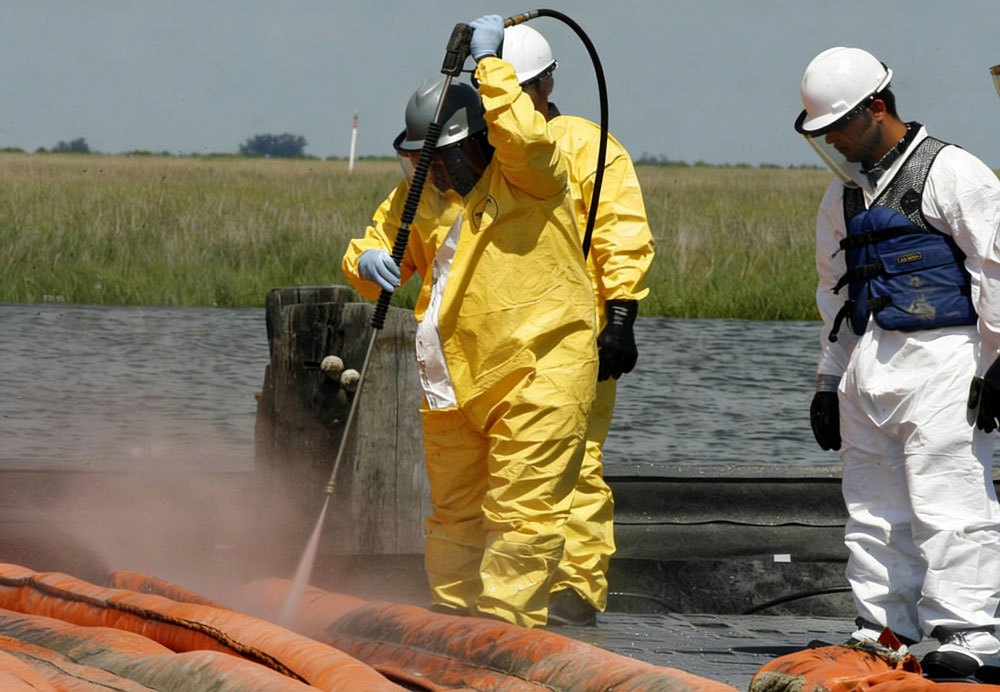
For long-term marine projects, offshore oil boom cleaning must be treated as routine maintenance, not just post-project housekeeping.
In clean harbors or low-pollution zones:
Rinse offshore oil booms with freshwater every 7–10 days.
Perform light brushing to control algae growth.
Conduct a visual inspection of connectors and seams.
Why it matters: This baseline oil containment boom cleaning frequency prevents salt crystallization and early coating abrasion.
Near dredging zones, ports, and construction sites:
Perform light cleaning every 5–7 days.
Schedule weekly brushing to remove slime and marine growth.
Check flotation chambers for partial submersion caused by added weight.
Why it matters: Adhering to this offshore oil boom maintenance schedule prevents drag increase and excessive skirt loading on the tension cables.
After oil recovery operations:
Execute immediate offshore oil boom cleaning after demobilization.
Perform full decontamination before storage.
Conduct a deep inspection for chemical residue damage.
Why it matters: This is essential for proper marine oil boom maintenance guide compliance and ensuring equipment safety for the next deployment.
Once the project ends, thorough offshore oil boom cleaning must be performed before formal inspection and storage.
Full cleaning after every deployment cycle.
Mandatory freshwater rinse before drying.
Complete decontamination before any long-term storage.
For full storage and inspection procedures, refer to our detailed guide:Offshore Boom Care: Cleaning, Storage, and Inspection Best Practices
The ideal oil containment boom cleaning frequency varies depending on project conditions:
Water temperature & salinity: Warm saline water dramatically accelerates biological fouling.
Oil type: Heavy crude leaves longer-lasting, stubborn residues compared to light diesel.
Deployment duration: Long-term mooring increases overall fabric fatigue and contamination accumulation.
Current speed: Higher hydrodynamic loads increase the rate of contamination buildup on the skirt.
Project managers should monitor these variables and adjust their offshore oil boom maintenance schedule accordingly.
Regular offshore oil boom cleaning extends service life by actively reducing:
Salt crystal abrasion
Hydrocarbon coating degradation
Seam fatigue
Connector corrosion
For a complete lifecycle strategy covering cleaning, inspection, and storage, read: Maximizing Boom Lifespan: Essential Maintenance, Decontamination, and Storage Protocols for Offshore Contractors
This long-term approach aligns perfectly with professional offshore boom cleaning best practices used by leading marine engineering contractors worldwide.
| Deployment Condition | Cleaning Frequency |
| Clean water areas | Every 7–10 days |
| Ports & dredging zones | Every 5–7 days |
| Oil spill response | Immediately after recovery |
| Before storage | Every demobilization |
| Long-term storage prep | Full decontamination + freshwater rinse |
This table provides a practical marine oil boom maintenance guide for offshore project teams to print and keep on-site.
Knowing exactly how often offshore oil booms should be cleaned is critical for contractors seeking a long service life and high operational readiness. A structured offshore oil boom maintenance schedule, combined with proper decontamination and storage procedures, transforms containment booms into long-term assets rather than disposable equipment.
By implementing standardized offshore boom cleaning best practices, contractors can significantly reduce replacement costs, improve rapid response readiness, and protect their environmental compliance performance.
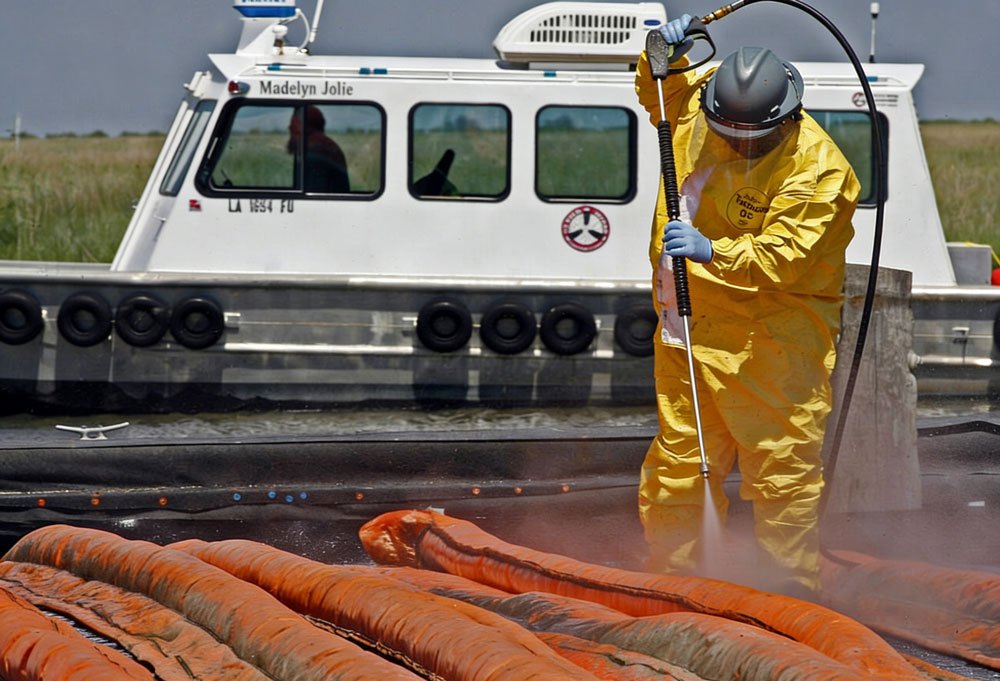
A well-maintained offshore boom is your first line of defense, but even the best maintenance schedule can't save substandard equipment. If your current containment booms are failing prematurely, or if you need a customized maintenance plan for an upcoming dredging project, our engineering team is ready to help.
Since 2004, JXY has been engineering and manufacturing heavy-duty marine environmental protection equipment designed to outlast the harshest offshore conditions.
Browse our durable offshore boom solutions: Visit www.oilabsorbspill.com
Get a custom project consultation: Email your site specifications and hydrodynamic data to info@oilabsorbspill.com and our technical team will recommend the exact boom specifications and maintenance protocols you need.


