

In any marine construction, dredging, or land reclamation project, controlling sediment and preventing turbid water from spreading is not just an environmental obligation—it is a strict legal requirement. Failing to contain sediment can result in devastating ecological damage and hefty regulatory fines.
The most effective tool for this job is the silt curtain (also known as a turbidity curtain). However, marine environments are unpredictable. A curtain designed for a quiet pond will instantly fail in open ocean waves. In the industry, silt curtains are generally categorized into three main types: Type 1, Type 2, and Type 3.
Understanding the differences between them is crucial for the success and compliance of your project. Here is a comprehensive guide to help you choose the right one.
Type 1 silt curtains are the most basic and economical option available.
Key Features: They consist of a flotation boom at the top, a geotextile or PVC skirt, and a galvanized ballast chain at the bottom to keep the skirt hanging vertically. They typically do not feature additional tension cables because they are not expected to handle significant water pressure.
Best Applications: Inland lakes, calm ponds, protected harbors, and enclosed canals where there is virtually no water flow, wind, or wave action.
Limitations: They must never be deployed in areas with moving water, tides, or currents. The lack of load-bearing tension members means the fabric will tear or the curtain will be dragged out of position if subjected to hydrodynamic force.
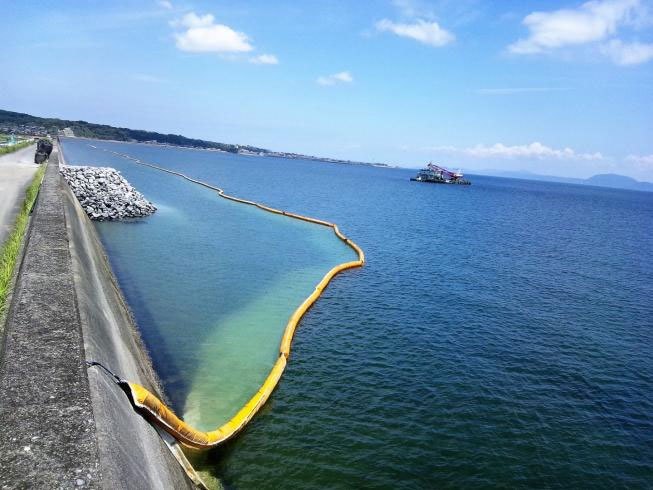
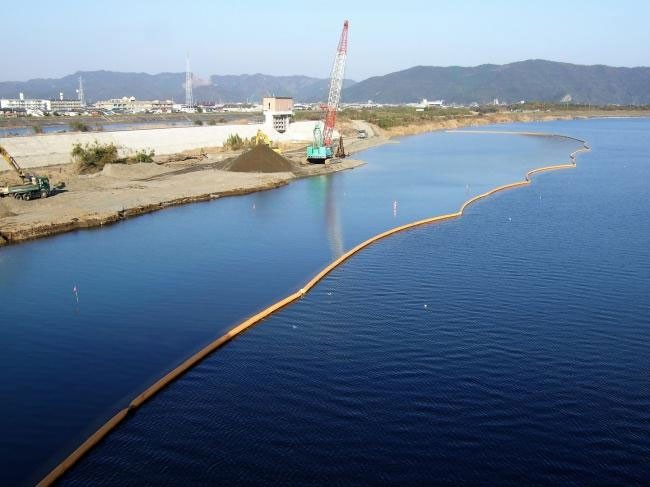
When your project moves into areas with moving water, you need the enhanced strength of a Type 2 silt curtain.
Key Features: The defining upgrade in a Type 2 curtain is the addition of a high-strength tension cable (usually steel or heavy-duty synthetic rope) enclosed just below or within the flotation boom. This cable absorbs the pulling force of the water current, protecting the skirt material from ripping. They also utilize heavier-grade PVC and reinforced stress points.
Best Applications: Rivers, estuaries with mild tidal changes, and lightly exposed shorelines where moderate currents and wind are present.
Limitations: While they can handle steady, moderate currents, they are not designed to survive the brutal pounding of offshore waves or extreme weather conditions.
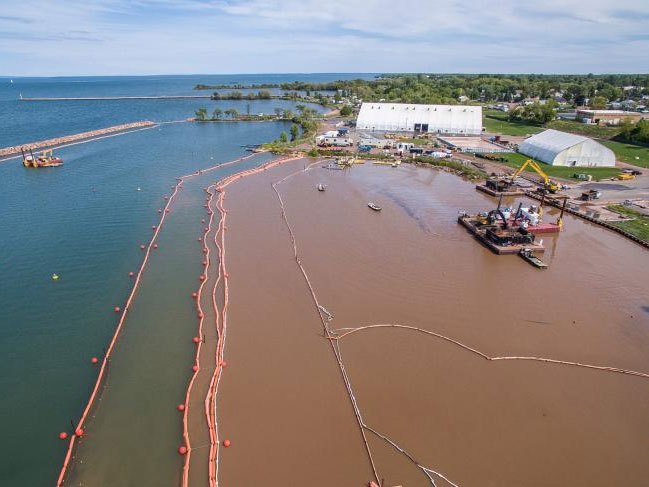
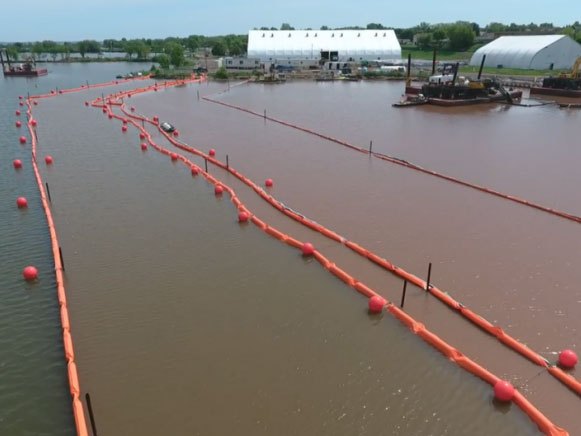
Type 3 silt curtains are heavy-duty, engineered solutions built for the most unforgiving marine environments.
Key Features: These curtains are heavily reinforced. They feature multiple tension cables (often both at the top near the floats and sometimes integrated mid-skirt) to distribute massive hydrodynamic loads. The skirt is made from premium, high-tensile strength marine-grade fabric, and the bottom utilizes extra-heavy ballast chains to ensure the skirt remains effective and doesn't billow up towards the surface under strong underwater currents.
Best Applications: Offshore dredging, open-ocean land reclamation, exposed coastal construction, and areas with fast-moving currents, high winds, and significant wave action.
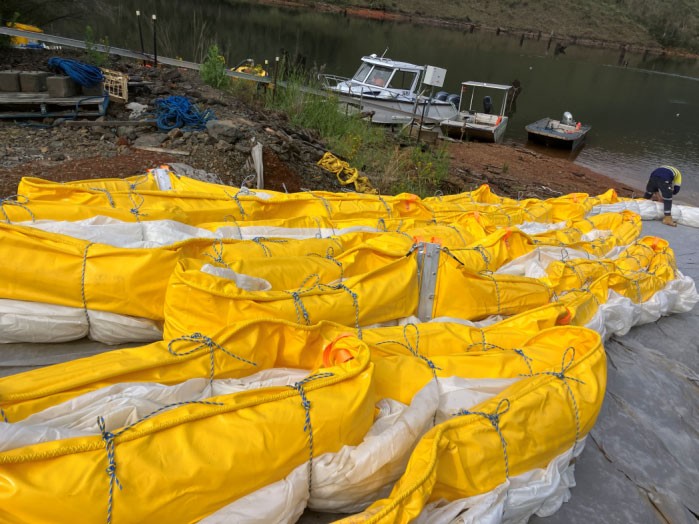
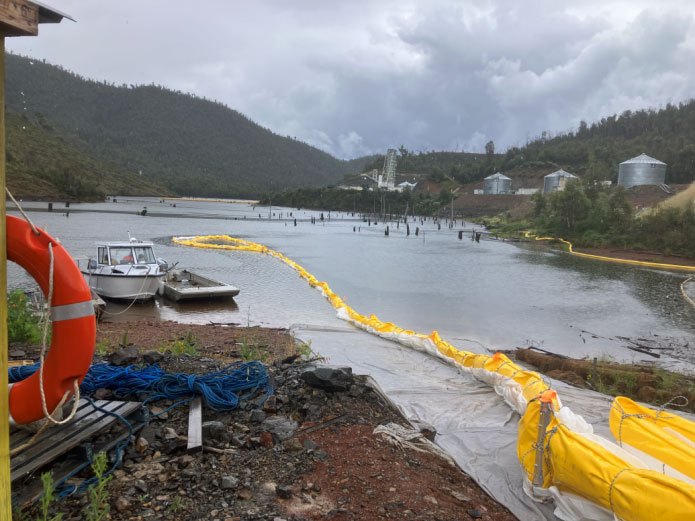
To help you make a quick assessment, here is a breakdown of the functional limits for each type:
| Curtain Type | Ideal Water Velocity | Max Wave Height | Key Structural Feature |
| Type 1 | 0 - 1 knot | Minimal (Calm) | Basic flotation and ballast, no tension cable |
| Type 2 | Up to 3 knots | Up to 2 feet | Single primary tension cable to absorb water force |
| Type 3 | 3+ knots | 3 feet or more | Multiple tension cables, heavy ballast, reinforced fabric |
Selecting the right type is only half the battle; the quality of the manufacturing determines if the curtain will actually survive the project lifecycle.
JXY has been at the forefront of marine environmental protection equipment since 2004. With two decades of manufacturing expertise, we understand the specific stress points where inferior curtains fail. Our silt curtains are engineered to endure. We have a proven track record of delivering reliable environmental barriers for high-stakes projects
Don't risk your project's timeline or face environmental penalties due to inadequate turbidity control. Whether you need a simple Type 1 curtain for a lake or a heavily engineered Type 3 system for an offshore dredging site, we have the manufacturing capability to deliver.
Visit www.oilabsorbspill.com today to explore our full range of marine environmental solutions, or contact our engineering team for a customized site evaluation and quote.


