

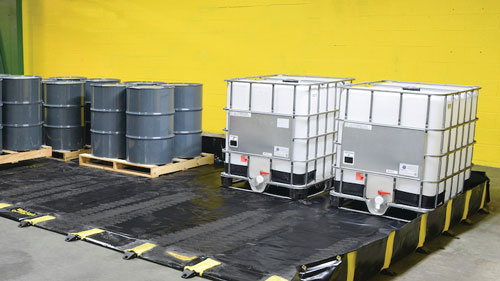
In industrial sites, warehouses, fuel storage areas, ports, shipyards, and construction projects, spills can happen quickly and unexpectedly. A leaking drum, damaged IBC, fuel transfer accident, hydraulic oil leak, or chemical overflow can spread across the ground within minutes if there is no proper secondary containment system in place.
A spill containment berm is designed to control leaks at the source before they spread into drains, soil, waterways, or working areas. Without a containment berm, even a small spill can become a much larger environmental, safety, and financial problem.
For companies handling oil, fuel, chemicals, wastewater, or other liquid materials, spill containment berms are not only useful for emergency response. They are also an important part of a complete spill control plan. For a wider overview of spill response products, you can also read our Oil Spill Response Equipment: Complete Guide for Marine and Industrial Spill Control.
One of the biggest risks of not using a spill containment berm is environmental contamination. When oil, diesel, lubricants, chemicals, or wastewater are released without containment, they can flow into soil, storm drains, rivers, coastal areas, or groundwater.
This is especially serious in outdoor storage areas, fuel transfer zones, construction sites, ports, and marine facilities. Once liquid pollution enters the environment, cleanup becomes much more difficult and expensive.
A containment berm helps create a controlled area around drums, IBCs, tanks, machinery, or vehicles. If leakage occurs, the spilled liquid stays inside the berm instead of spreading freely across the site.
Without a spill containment berm, a leak can spread over a much larger area. This means more absorbents, more labor, more waste disposal, and more time are needed for cleanup.
For example, a small drum leak inside a berm may only require absorbent pads, socks, or a vacuum recovery process. But if the same liquid spreads across a warehouse floor, reaches drainage systems, or contaminates soil, the cleanup cost can increase significantly.
The longer a spill remains uncontrolled, the more expensive it becomes. Using a spill containment berm helps reduce the affected area and makes the cleanup process faster and easier.
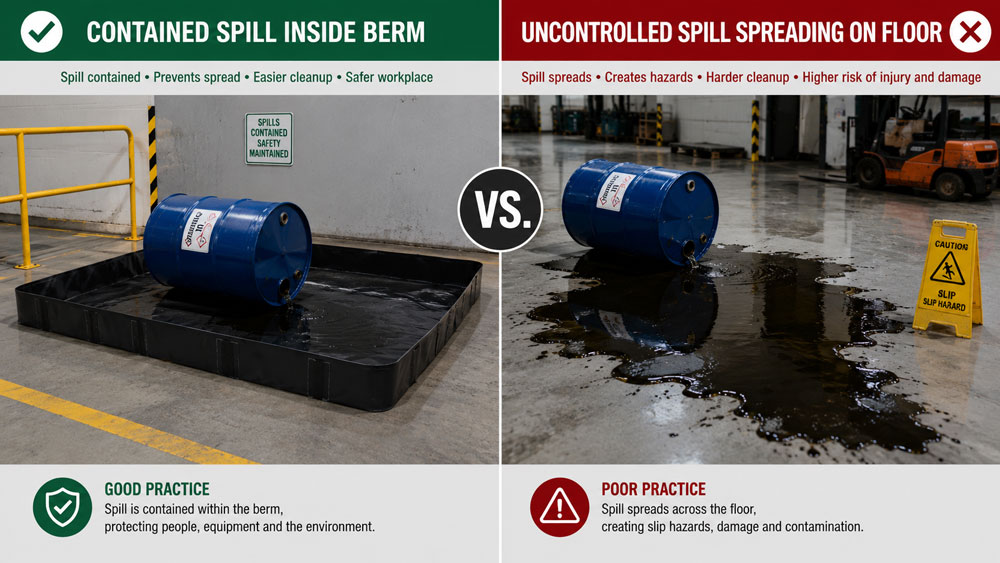
Spilled liquids can create serious safety hazards for workers. Oil, fuel, lubricants, and chemicals can make floors slippery, increasing the risk of slips and falls. Some chemicals may also create harmful vapors, skin irritation, fire risks, or dangerous reactions if they mix with other substances.
In busy industrial environments, a spill can quickly affect forklifts, vehicles, workers, equipment, and production areas. Without containment, workers may unknowingly walk or drive through contaminated areas, spreading the liquid further.
A spill containment berm helps isolate the spill area and reduces direct contact between workers and hazardous liquids. It also gives the response team more time to manage the spill safely.
Many industries are required to have proper spill prevention and secondary containment measures, especially when storing or handling oil, fuel, chemicals, or hazardous liquids. If a spill occurs and there is no suitable containment system, the company may face compliance issues, penalties, project delays, or additional inspection requirements.
Even when a spill is small, poor containment can raise concerns about site management, environmental responsibility, and operational safety.
Using a spill containment berm shows that the company has taken practical steps to prevent uncontrolled leakage and reduce environmental impact. It is a simple but important part of responsible spill control management.
An uncontrolled spill can stop normal operations. Workers may need to evacuate the area, shut down machinery, block access routes, or wait for professional cleanup teams. In ports, factories, warehouses, and construction sites, even a few hours of downtime can affect delivery schedules and project progress.
If the spill spreads to loading areas, production lines, drainage systems, or vehicle routes, the disruption can become even more serious.
A portable spill containment berm can help keep spills within a limited area, allowing the response team to manage the incident faster and reduce downtime.
Liquids such as fuel, oil, wastewater, acids, alkalis, or other chemicals may damage concrete floors, coatings, drainage systems, cables, machinery, or storage racks if they are not contained quickly.
In some cases, the liquid may enter hidden areas under equipment or flooring, making inspection and cleanup more difficult. Long-term exposure may also lead to corrosion, staining, or material degradation.
By placing tanks, IBCs, drums, generators, pumps, or vehicles inside a spill containment berm, the spill risk can be controlled before it damages surrounding infrastructure.
Some spilled liquids are flammable or reactive. Fuel, solvents, oils, and certain chemicals can create fire hazards if they spread near ignition sources, hot equipment, welding areas, or electrical systems.
Without containment, the liquid may move into areas where it should never be present. This increases the risk of fire, smoke, chemical reaction, or emergency shutdown.
A spill containment berm helps keep hazardous liquids in one controlled location, reducing the chance of contact with ignition sources or incompatible materials.
When liquid materials are spilled without containment, recovery becomes more difficult. Valuable oil, fuel, chemicals, or process liquids may be lost. At the same time, more contaminated waste is generated, including absorbents, soil, packaging, and cleaning materials.
If the spill is contained inside a berm, the liquid may be easier to pump out, recover, or dispose of properly. This can reduce waste volume and lower disposal costs.
For companies that store large quantities of liquids, containment is not only about safety. It also helps reduce material loss and improve site control.
During an emergency, every minute matters. If there is no spill containment berm or other containment equipment available, the response team may need more time to build temporary barriers, place absorbent socks, block drains, or stop the spread manually.
This can delay the response and increase the affected area.
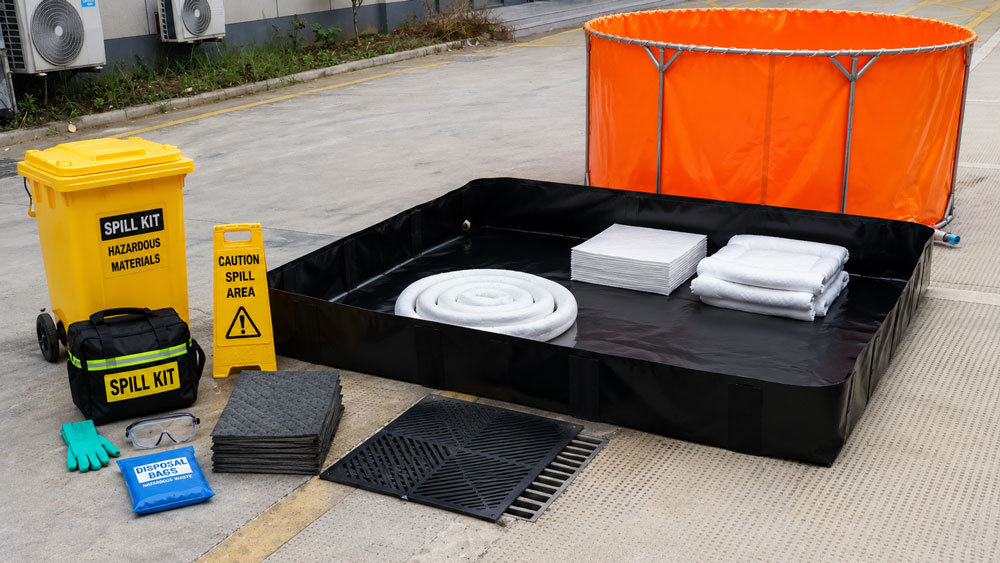
A well-prepared site should include suitable spill control equipment, such as spill containment berms, absorbent pads, absorbent socks, drain covers, spill kits, and temporary storage tanks. These products work together to help control spills quickly and effectively.
For more information about complete spill response solutions, please visit our guide: Oil Spill Response Equipment: Complete Guide for Marine and Industrial Spill Control.
Spill containment berms are widely used in different industries and working conditions, including:
Drum and IBC storage areas
Fuel transfer stations
Generator and machinery maintenance areas
Construction sites
Warehouses and workshops
Ports and shipyards
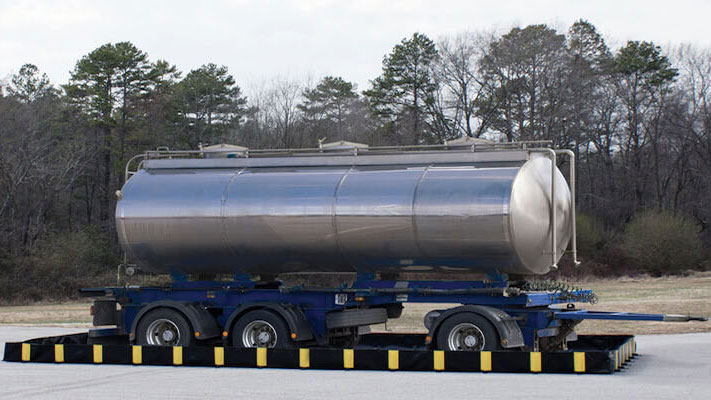
Tank truck loading and unloading areas
Chemical storage areas
Emergency spill response operations
Temporary liquid storage and equipment washing areas
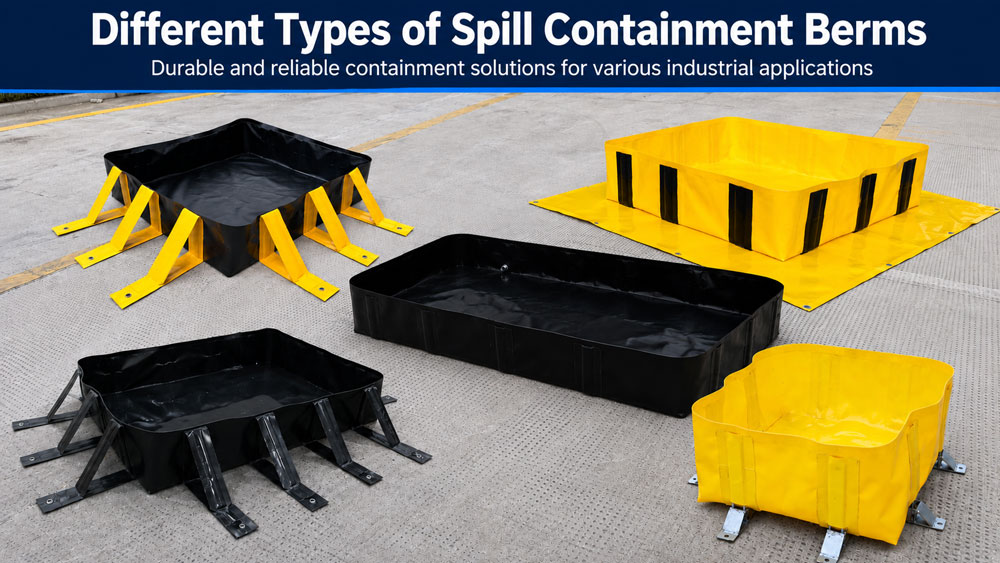
Different applications may require different berm sizes, wall heights, materials, and support structures. For example, a small berm may be enough for drum storage, while a larger drive-in berm may be required for tanker trucks, vehicles, or heavy equipment.
When selecting a spill containment berm, several factors should be considered:
Liquid type:
The berm material should be compatible with the stored liquid, such as oil, diesel, chemicals, wastewater, or fertilizers.
Containment capacity:
The berm should have enough volume to hold the expected spill quantity. For IBCs or drums, secondary containment capacity should be carefully calculated.
Site conditions:
Indoor, outdoor, uneven ground, vehicle traffic, sunlight exposure, and temperature can all affect the design.
Berm structure:
Some berms use L-shaped supports, foam walls, aluminum brackets, or drive-over sidewalls depending on the application.
Operation method:
If forklifts, vehicles, or workers need frequent access, the berm should be designed for easy entry and safe operation.
Choosing the correct berm helps ensure better spill control, longer service life, and safer daily operation.
Not using a spill containment berm can lead to environmental contamination, higher cleanup costs, workplace safety hazards, regulatory problems, downtime, equipment damage, and poor emergency response efficiency.
For any site that handles oil, fuel, chemicals, wastewater, or other liquid materials, a spill containment berm is a simple but highly effective way to reduce risk. It helps contain leaks at the source, protect the working area, and support a faster spill response.
A complete spill control plan should include both prevention and emergency response equipment. Spill containment berms, absorbents, spill kits, drain protection, oil booms, skimmers, and storage tanks can work together to protect industrial sites and marine environments.


